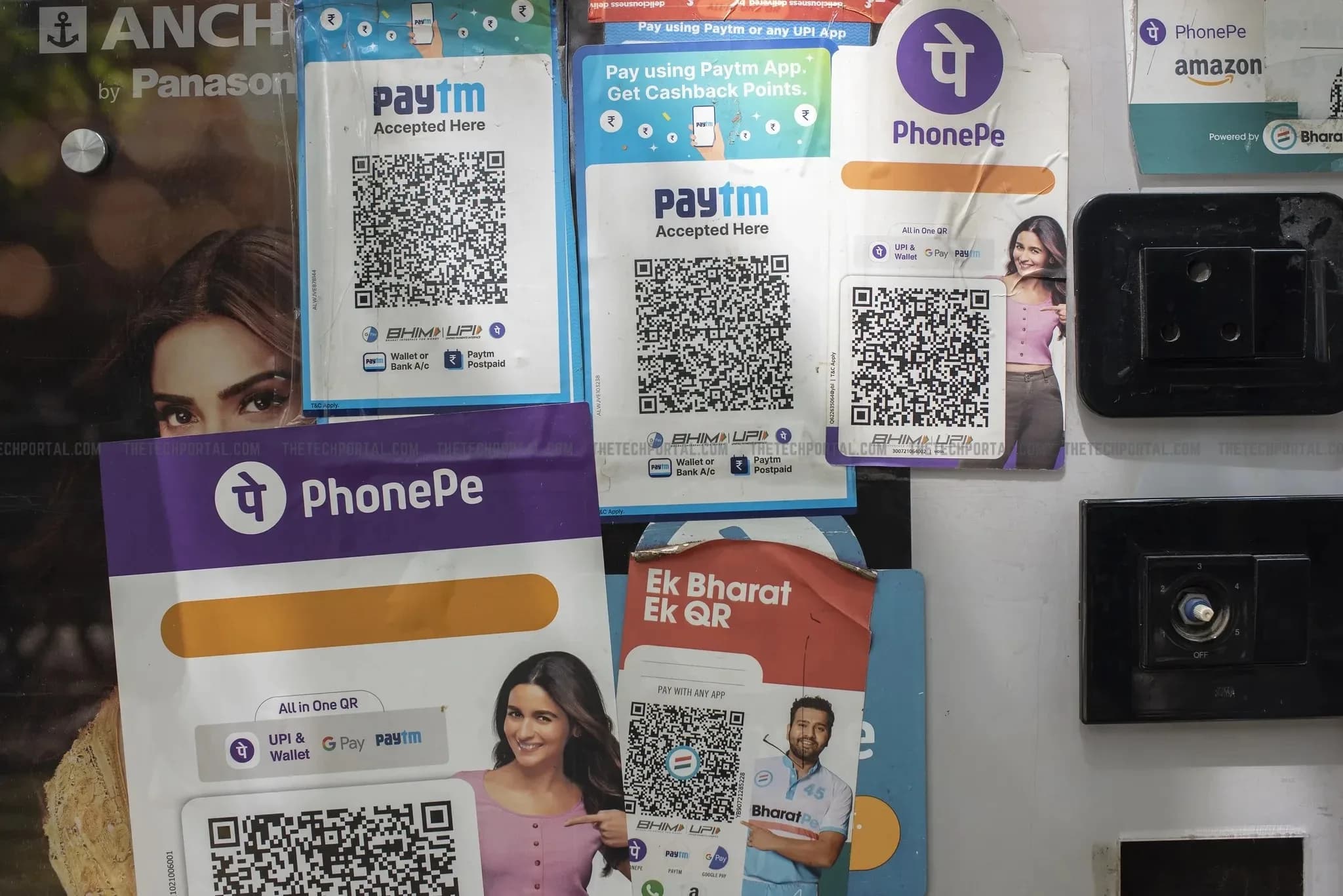
Zimbabwe is talking to India about money. Not loans or mining rights — the plumbing of payments. The country's central bank is negotiating with NPCI International, the arm that exports UPI, to rebuild Zimbabwe's digital payment system on Indian rails. Governor John Mushayavanhu confirmed the talks to Bloomberg, with a target of closing the deal by the end of October.
The pitch is the standard one: cheaper transactions, faster settlement, less cash. But Zimbabwe's case has a specific hook — remittances. Millions of Zimbabweans abroad send money home through corridors that are slow and expensive. Mushayavanhu wants UPI to eventually carry those cross-border flows directly.
If that sounds like a small portability exercise, look at what Zimbabwe is running today. US dollars, the new Zimbabwe Gold currency, mobile money, and legacy bank rails all operate in parallel with minimal interoperability. That is four stacks competing for the same wallet, and none of them talk to each other cleanly.
NPCI International has made a business out of exactly this cleanup job. Uzbekistan went live two weeks ago, the first Central Asian country on UPI. Before that came agreements across the UAE, Singapore, France, Bahrain, and several Southeast Asian markets.
The model is deliberately simple: a country adopts UPI as a ready-made backbone instead of spending years building its own real-time system. India has already paid for the engineering. Zimbabwe would just have to plug in and standardize on it.
Why would a Sub-Saharan economy want Indian infrastructure? Because the product has been stress-tested at a scale nobody else can offer. UPI handles 49% of global real-time payment volumes, processes over 2,300 crore transactions a month across more than 700 connected banks.
The IMF agrees the numbers are real. In June 2025, it formally recognized UPI as the world's largest retail fast-payment system. That kind of endorsement matters when the counterparty is a central bank with its own credibility problems.
There's a geopolitical angle pushing out, too. Every country that adopts UPI grows a block of interoperable economies around India's rails. It is the payments version of choosing a sphere of influence — cheap, pragmatic and largely uncontested by Western or Chinese alternatives at this price point.
Of course, a signature is not a system. Previous NPCI International deals have taken from months to over a year to go live after signing. The October 31 deadline tells you the negotiation is active; it doesn't guarantee a launch date.
What it does tell you is that India has found a new kind of export. UPI started as domestic infrastructure, became a consumer habit, and is now being licensed abroad as a national API for money movement.
Zimbabwe, of all places, would become the proving ground for that thesis in Sub-Saharan Africa. If the country's fragmented cash economy can be pulled onto one rail, the next ten African capitals become an easier pitch.
Watch the end of October. A signed deal would be the first crack in a market — Africa — where the real-time payment story has, until now, been written entirely by homegrown mobile money.